How to care for your snake plant
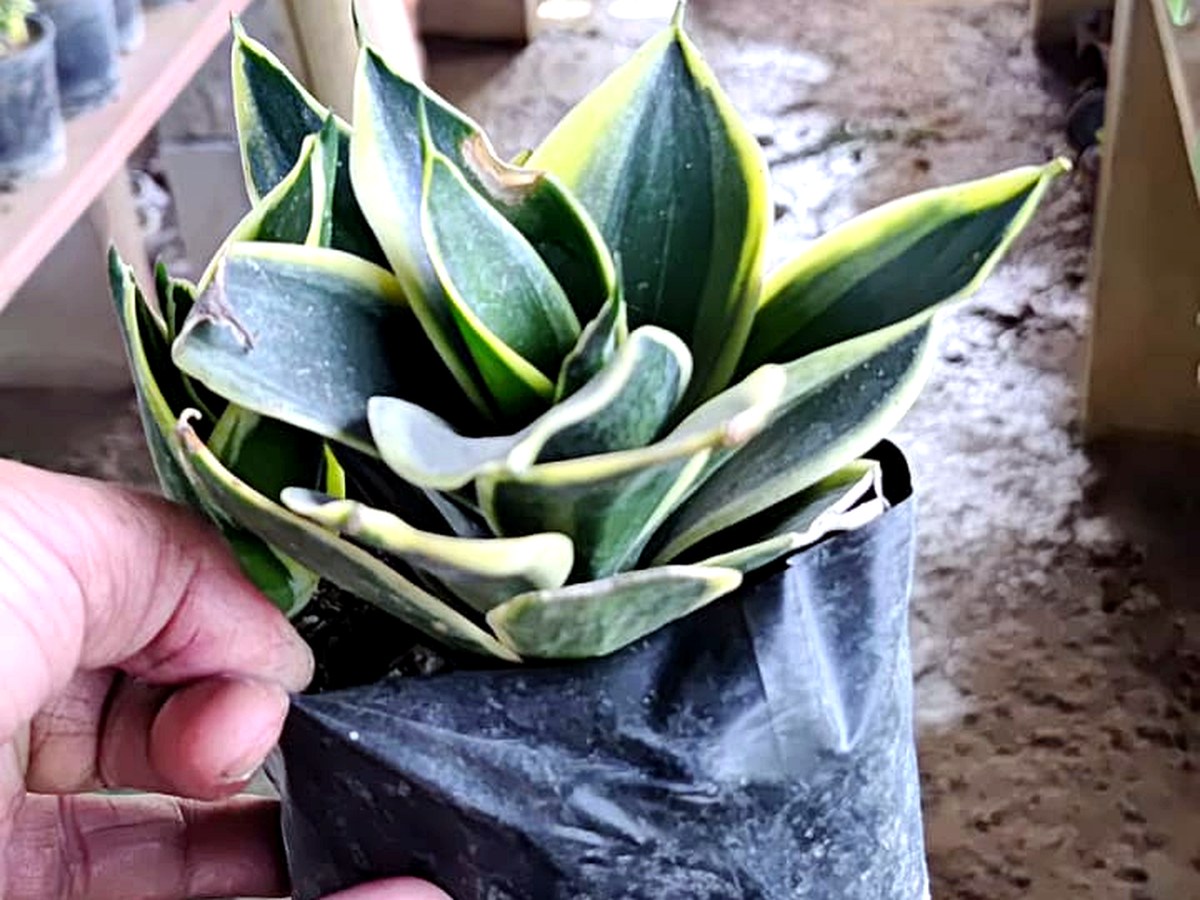
The snake plant is the closest thing to a houseplant that survives benign neglect. It tolerates low light, prefers being underwatered, and quietly purifies the air while you forget about it for weeks. If you have killed plants before, start here.
Light
Snake plants thrive in almost any light — from a dim corridor corner to a bright south-facing window. The one thing to avoid is harsh, direct afternoon sun in May–June Delhi, which can scorch the leaf edges. Bright indirect light gives the fastest growth; lower light slows it down but does not kill it.
Water
This is where most people overdo it. Snake plants store water in their thick leaves and do not want frequent watering.
- Summer (April–September): water once every 2–3 weeks. Let the top 2 inches of soil dry completely between waterings.
- Winter (October–March): water once a month or less. The plant is mostly dormant.
- How to test: stick a finger 2 inches into the soil. If it feels even slightly damp, wait another 3–4 days.
Soil and pot
Use a free-draining cactus/succulent mix, or regular potting soil cut 50:50 with coarse sand. The pot must have a drainage hole — snake plants die from sitting water far more often than from drought. Terracotta is ideal because it wicks moisture out of the soil.
Repotting
Snake plants like being slightly root-bound and only need repotting every 2–3 years, or when roots start cracking the pot. The best time is March–April, just as the growing season picks up.
Common problems
- Yellow, mushy leaves at the base: overwatering. Stop watering for a month, check that the pot drains, repot in fresh dry soil if rot has set in.
- Wrinkled, curling leaves: rare, but means underwatering. Water deeply once and resume normal schedule.
- Brown, crispy leaf tips: usually salt buildup from hard tap water — flush the pot with filtered or RO water once.